
Selecting the cream of the crop for your organisation
“If you think it's expensive to hire a professional to do the job, wait until you hire an amateur”; wise words from Red Adair, an American oil well fire fighter.
When managing the reputation of any organisation, investing in the right people to do the job means that you are investing in the quality of your output.
Regine le Roux, Managing Director at Reputation Matters, mentions that human capital is a vital element when establishing and building on a positive reputation for your organisation: “Identifying the right calibre of people during the recruitment phase is directly aligned to the strategic intent of the organisation: knowing exactly where you are going with your business and who you need on your team to get you there. Getting this right at the onset will save you a lot of time, frustration and money in the future.”
How do you select the cream of the crop for different positions? Here are some tips:
- Set up strategic alliances: In order for you to build your reputation, you would need to employ individuals who can do the job and be an ambassador for your organisation. “At Reputation Matters we have really good strategic alliances that helps feed the recruitment funnel. We have a great relationship with the University of Pretoria’s Communication Management Department and offer their top BCom Communication Management honours students internship opportunities with us,” mentions le Roux.
- Implement a rigorous recruitment programme: Having a set recruitment programme for all applicants, in both small and larger organisations, is essential. “By having an in-depth online application form or process, you will be able to determine whether the person is serious about wanting the position; if they are, they will complete the form in full. It also demonstrates their basic use of spelling, grammar and industry knowledge,” says le Roux.
- Test their communication skills and contact references: The next round should always involve a phone call to determine how the candidates handle themselves telephonically. If they pass with flying colours, the first face-to-face interview is set up. “Should the interview go well, check references and then do personality profiling to get an idea of how they will fit in with the rest of the team. Culture fit is extremely important in any organisation and this needs to be determined from the get go,” adds le Roux.
- Presentation of a case study: “As the final step of our recruitment process, the candidate is given a case study to prepare and present to our team. By implementing this, we are able to pick the best candidates for different positions, as it often highlights their strengths and shows their way of thinking,” mentions le Roux.
Le Roux explains that once you have selected the ideal candidate, a thorough induction is necessary to help them get to grips with ‘how things are done around here’. “During this session the vision, core values and culture are discussed. This instils a level of respect and understanding for the organisation and leaves very little room for misinterpretation; it helps the candidate grasp exactly what the expectations are. This important step links back to strategic intent and operational governance, with the message and vision being reiterated right from the top,” says le Roux.
Building a reputation is about getting the right team in place from the onset, ensuring that everyone is on the same page regarding the business goals and vision.
For more information on managing and investing in your reputation, visit www.reputationmatters.co.za or call +27 (0)11 317 3861. Reputation Matters is also on Facebook (www.facebook.com/yourreputationmatters) and Twitter (@ReputationIsKey).

Celebrating 30-years of service in the Western Cape
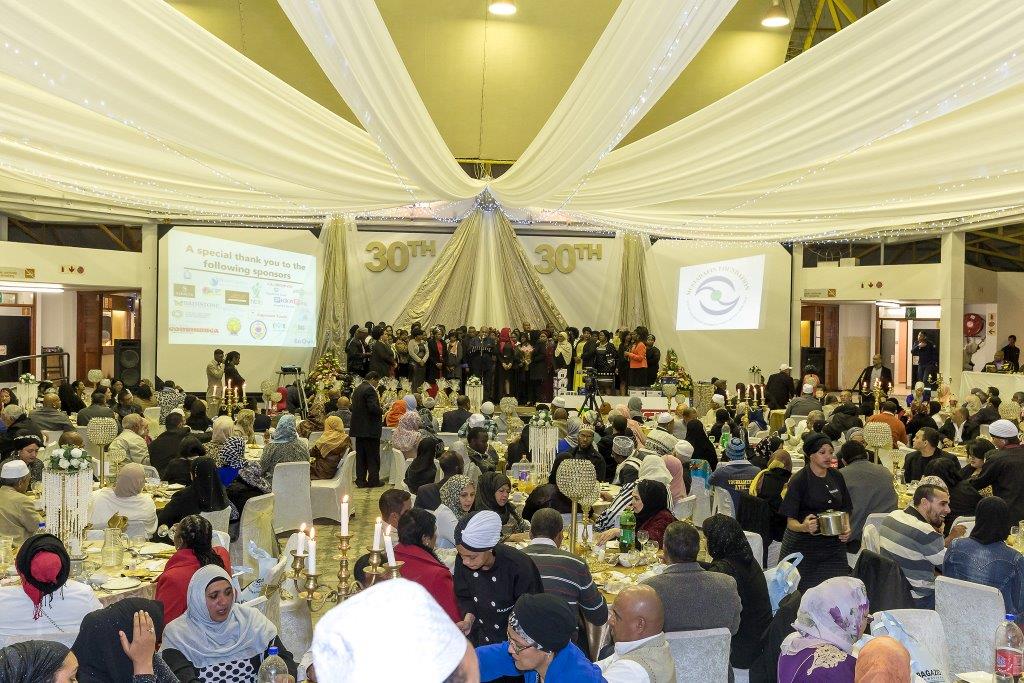
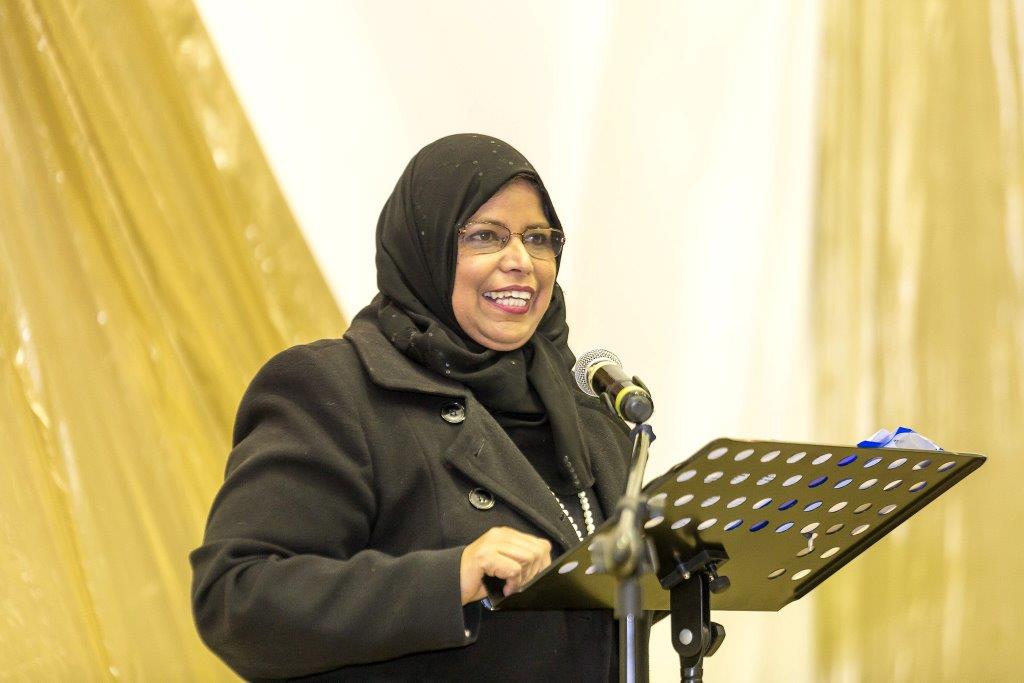
Caption: It was a joyful evening at the Muizenberg Hall on Saturday, 08 October 2016 as local non-profit organisation, Mustadafin Foundation, hosted a Gala Dinner to celebrate their 30th year of bringing a positive change to the Western Cape community. Director of the Foundation, Ghairunisa Johnstone-Cassiem (above, bottom image) was one of the founders who in 1986 realised that something had to be done to help less fortunate communities in the Province.
“It has been an incredible journey, especially when one looks back at how we started and what we are now able to do today. We believe in creating self-sufficient, self-reliant and independent citizens; we achieve this through extensive and high-calibre programmes run by our volunteers and staff,” explains Johnstone-Cassiem.
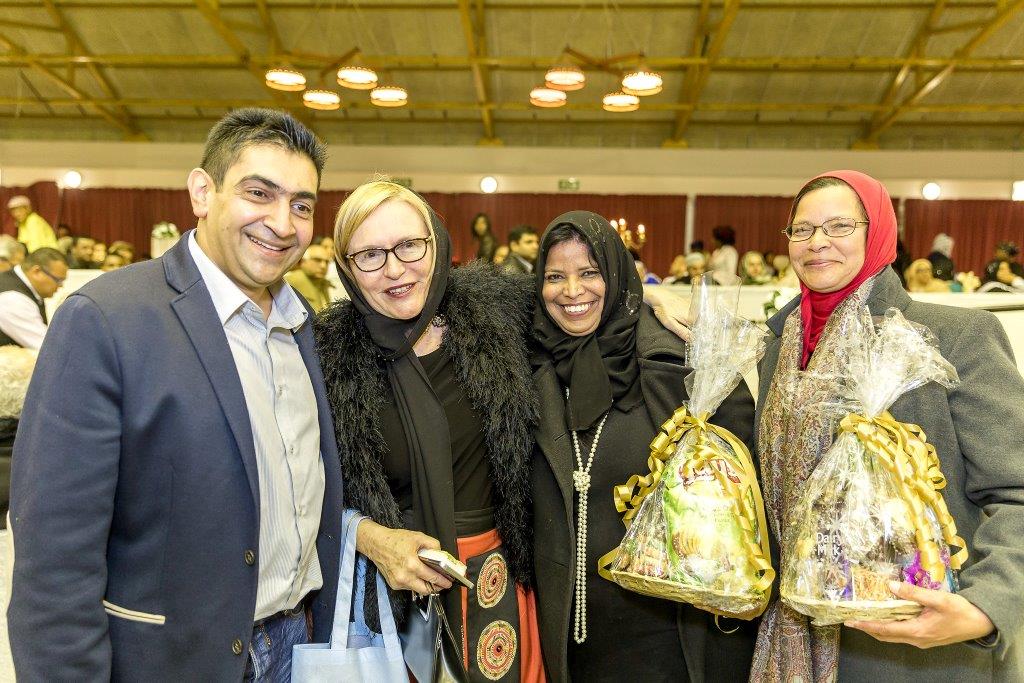
Caption: From left to right: Ashfaak Dawood, Premier of the Western Cape, Helen Zille, Johnstone-Cassiem and Nazlie Berhardien at the Gala event.
Key stakeholders of the Foundation attended the Gala Dinner, including sponsors, donors and Western Cape Premier, Helen Zille. Johnstone-Cassiem acknowledged their support in a speech at the event: “Without your assistance, we would never have been able to make a difference in community members’ lives. All of us at the Foundation would like to thank you for the ongoing and invaluable support over many years.” The Foundation also took the opportunity to thank four senior community members for their loyal contribution since 1986.
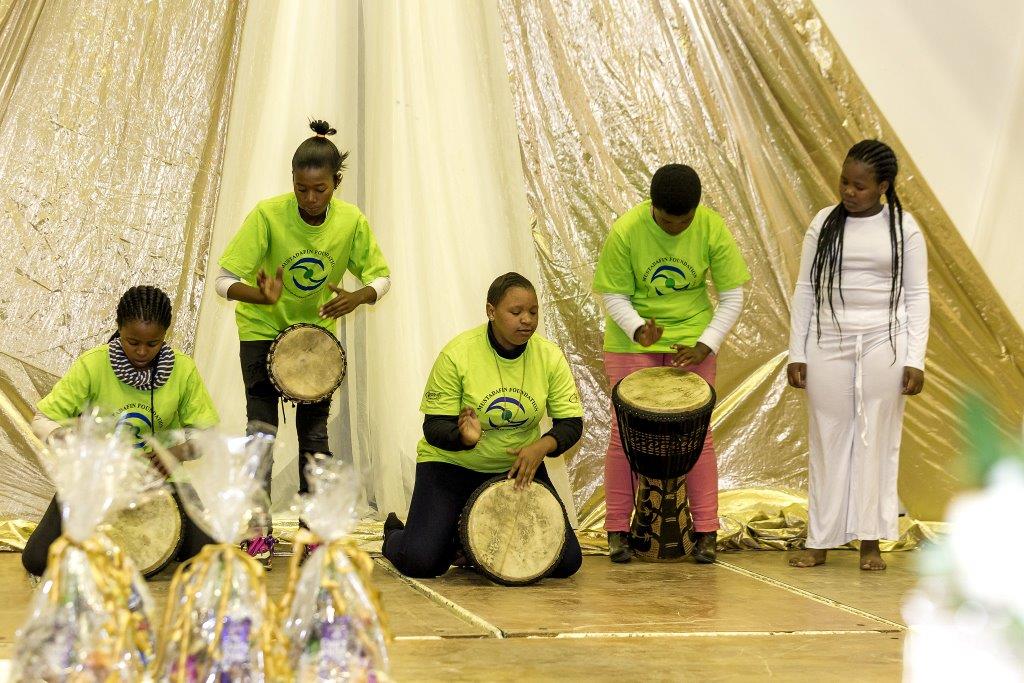
Caption: Youth from Mustadafin Foundation’s programmes entertained those in attendance with lively song and dance.
The non-profit provides educational programmes, skills training, disaster and poverty relief as well as youth and health development programmes throughout the year. The evening was in celebration of what has been achieved so far, but also the Foundation’s plans for the road ahead. The event was also held to raise funds to finalise the building and repair work to their new premises in Bridgetown.
“The success of our programmes are determined by our sponsors, particularly our corporate sponsors such as Pick n Pay, Standard Bank, Nedbank, Benjamin Transport, Retro Active, AMA, Absolute Rigging and A.K. Peer,” concludes Johnstone-Cassiem.
If you are able to make a donation or if you would like to find out more, contact Mustadafin Foundation on 021-633-0010 or visit www.mustadafin.org.za. Join their Facebook page at www.facebook.com/MustadafinFoundation.
Champions of transformation and empowerment celebrated at 2016 BBQ Awards
In honour of successful black business owners and top achievers across various industries, the 15th edition of the Black Business Quarterly (BBQ) Awards will be hosted on Thursday, 27 October 2016 from 16:00 until late at Emperors Palace in Ekurhuleni, Gauteng. As the crown jewel of the South African events calendar, the 2016 BBQ Awards is one of the country’s most prestigious and longest-running business award ceremonies that recognise and celebrate the champions of business transformation.
“South Africa desperately needs to address important issues such as education and unemployment, as the associated social-economic problems directly affect our dream for a prosperous rainbow nation. Promoting and empowering leaders of transformation in business is a key priority as it offers solutions to these social-economic difficulties. Events like the BBQ Awards provide a platform to celebrate and honour such individuals and organisations,” says Phumza Mbodlana, Event Organiser of the BBQ Awards 2016.
The aim of the BBQ Awards is to encourage and promote sustainable black business and transformation in South Africa. “Organisations and individuals are recognised for their good corporate governance, leadership and esteemed business achievements at the annual awards ceremony,” adds Mbodlana.
It promises to be an evening of excitement with South African stand-up comedian, actor, director and all-round entertainer Kagiso Lediga taking up the role of programme director. Jeff Radebe (Minister in the Presidency of Planning, Performance, Monitoring, Evaluation and Administration) and Susan Shabangu, (Minister in the Presidency for Women), will be joined by champions of South Africa’s business elite, along with numerous foreign dignitaries and senior government officials, in celebrating remarkable business achievements.
“The Awards will consist of 13 categories open to individuals, black-owned and empowered companies and organisations in South Africa that include Best Established Black Business, Outstanding Woman in Business, Young Business Achiever, as well as Transformation Champion and Community Builder of the Year,” explains Mbodlana.
Guests will be treated to world-class entertainers such as Loyiso Bala and Black Ivory, and will also be spoiled with a four-course meal fit for royalty. This year’s BBQ Awards will also be broadcast live online. “The live stream initiative will ensure that members of the public can follow all the festivities at the ceremony as they unfold,” says Mbodlana.
“We are extremely excited for this year’s event! The 15th anniversary of this esteemed awards ceremony will celebrate some of South Africa’s premier business transformation and empowerment achievements,” concludes Mbodlana.
For more information on the 2016 BBQ Awards contact Phumza Mbodlana on (021) 681 7000 or phumza.mbodlana@capemedia.co.za.
Bulk seabed mining poses significant risk to South Africa’s fishing industry
On the eve of National Marine Week from 10 to 14 October 2016, many South Africans are unaware of a looming threat to the health of our country’s natural marine resources in the form of bulk seabed mining of phosphate minerals for use as fertiliser.
A new report has found that prospecting rights granted to three companies over the past five years are in an area that overlaps with a significant part of South Africa’s largest fisheries.
Among the concerns related to bulk seabed mining are the use of destructive technologies to excavate the seabed with limited knowledge of its potential environmental impact as well as the proposed scale and location of the mining activity.
The Safeguard our Seabed Coalition, an initiative led by the Centre for Environmental Rights (CER) in partnership with WWF-SA, is now calling for a moratorium on marine phosphate mining in South Africa.
A study commissioned by the CER and supported by Coalition partner, the Responsible Fisheries Alliance (RFA), focused on determining the socio-economic benefits of South Africa’s fishing industry and other marine uses in the context of marine phosphate mining.
Undertaken by the University of Cape Town’s Environmental Policy Research Unit under the aegis of the CER, the report found that the prospecting areas and proposed drill sites coincide with a significant portion (77%) of the offshore hake trawl footprint and one of the primary fishing grounds of the small pelagic fishery.
Furthermore, the feasibility studies undertaken to support comparable proposals for marine phosphate mining in other countries indicate that the employment potential of bulk marine sediment mining is marginal – generating possibly only 40 to 50 jobs per mining vessel. This is in sharp contrast with the existing direct employment of 27 000 jobs created in the fishery sector and indirect employment of around 100 000 jobs created in industries linked to the sector.
In neighbouring Namibia, a similarly proposed marine phosphate mining project known as Sandpiper, which was aimed at dredging 5.5 million tonnes of sediment annually, would have only provided about 135 permanent jobs.
Lastly, while prospecting licence holders argue that there is an impending shortage of phosphate for agricultural processes, an additional study undertaken by UCT indicates that no shortage exists in South Africa. There is good reason to believe that the phosphate mined at huge cost to South African oceans will simply be exported for profit. According to the study, there are viable alternatives for ensuring continued phosphate supplies, including phosphate recovery from wastewater systems and improved soil management in agriculture.
Spokesperson for the Coalition, Saul Roux, says, ‘During this week South Africa pays tribute to the importance of our oceans for sustainable development, food security, cultural heritage and recreation. The health of our country – our people and our environment and therefore our economy - depends on the health of our ocean. We have a duty of care towards our ocean, both for its intrinsic value and for our own well-being. We should not be blind to the socio-economic and environmental risks of activities that happen out of our sight, beyond the shore. The potential risks of bulk marine sediment mining to our marine ecosystems and renewable industries, such as fishing, are simply too great. The proposal to dredge our seabed should not be allowed to proceed unchecked.’
Co-working and flexible office rentals the new trend in Cape Town
A growing trend in Cape Town is seeing young entrepreneurs and small businesses opting for flexible, serviced work space options to minimize risk and overhead costs.
Co-working space and short-term office rentals have become the preferred choice for many of the city’s aspiring entrepreneurs. Offering efficient and productive work spaces with maximum flexibility, small businesses are now able to hire space for an hour, a day, a week or a month, thanks to The Bureaux, Cape Town’s leading flexible office space in Sea Point, City Junction, Granger Bay and Woodstock.
Greg Beadle, Founder of The Bureaux, says, “Office rentals can be prohibitive for many new business ventures and start-ups who do not want to be tied down to long-term rental agreements. Traditional office space rentals come with minimum lease terms averaging around three years, not to mention the costs associated with investing in office furniture and infrastructure suitable for a large floor space. At The Bureaux, we see more than 90% of our office space utilised monthly because of our flexible and varied offering.”
Beadle adds that small businesses make up the bulk of The Bureaux’s members. “We believe that the demand for our flexible co-working office space solution is indicative of the current economic climate and the burgeoning small business sector.”
“Young entrepreneurs thrive on the idea of being able to rent a desk in a productive office environment for just R1 500 per month on a month-to-month basis or rent a private office suite from R5 500 per month. For someone who is just starting a business or has a small team on board, flexible office space is the ideal solution offering contact with other entrepreneurs. Services and infrastructure are included in the monthly rental fee and our clients can make use of shared meeting facilities, uncapped high-speed fibre internet, a kitchen, and have 24/7 access as well as high-level security.
“Members also have the opportunity to network with others in the space, sharing ideas and collaborating on new business ventures. When their businesses grow and they need to expand, our flexible options can amply meet their requirements,” adds Beadle.
John McMahon, Director of Baker Street Properties, says demand for smaller offices has increased significantly when compared to 2015. He concurs with Beadle that demand is being driven by growth in the small business sector, with new start-ups finding it easier to compete in the market because of new technologies.
For high-end entrepreneurs who seek privacy, exclusivity and an environment that lends itself to their business stature, Bureaux Black is The Bureaux’s answer. With exclusive office space in Sea Point and The Water Club in Granger Bay, Bureaux Black is the perfect environment to host high-level meetings with discerning clients.
Understated with elegant bespoke furnishings in a minimalist style, Bureaux Black offers executive suites with sweeping views of the Atlantic Ocean that are also available for month-to-month rentals. Clients have a choice of single, double and four-person offices as well as access to breakaway meeting rooms, unlimited high-speed fibre, high security and the option of their own reception and concierge service.
For more information about The Bureaux, visit thebureaux.co.za or contact: +27 87 470 0369 or email: info@thebureaux.co.za.
For more information about Bureaux Black, visit bureauxblack.com or contact +27 87 470 0369.
Healing through art: allowing children to speak when words fail
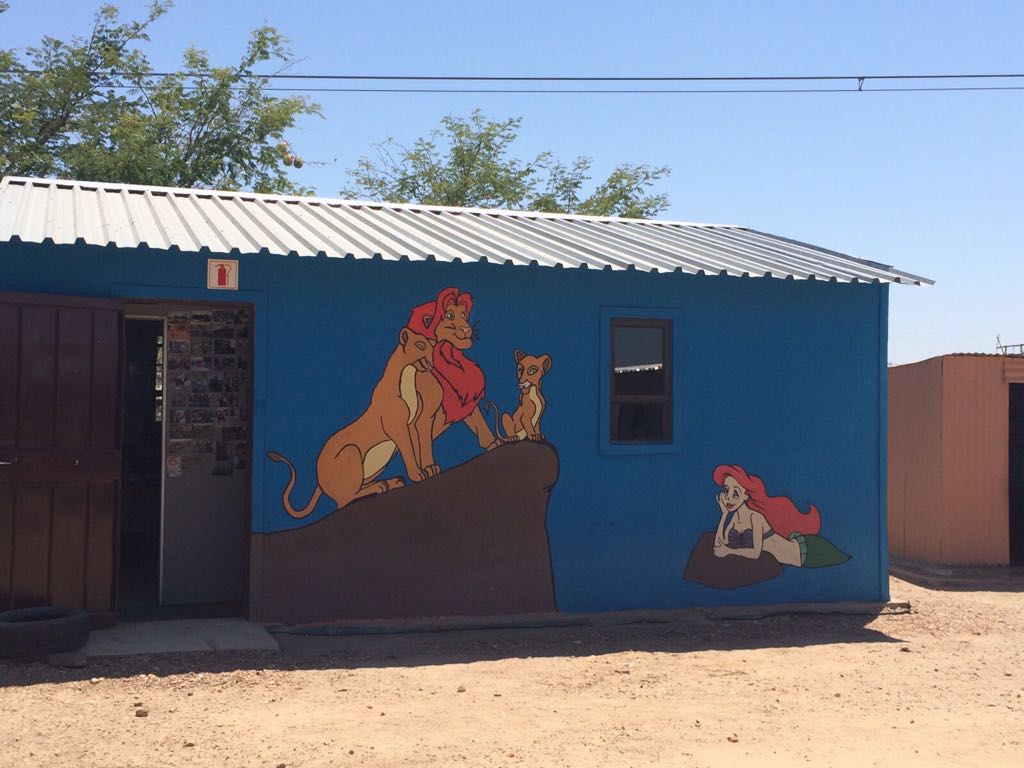 CAPTION: One of the centres where the NCVT offers weekly art and storytelling therapy to traumatised children in Diepsloot, Alexandra and Nooitgedacht.
“I found I could say things with colour and shapes that I couldn't say any other way – things I had no words for.” Georgia O'Keeffe
Art therapy takes place when individuals are encouraged to express themselves through art as part of a healing process from emotional trauma. For children who experience violence or domestic abuse, drawing or painting provides a way to say what they cannot say with words. For the National Children and Violence Trust (NCVT), it provides a unique opportunity to identify and assist children who are were traumatised by violence, poverty or other factors.
Gemma Tabane, an independent service provider for the NCVT, runs the NCVT Lotto project that provides weekly art therapy to children from 10 to 13 years of age in schools at Diepsloot, Alexandra and Nooitgedacht. The therapy is supplemented by storytelling.
“We currently provide therapy to 124 children,” says Tabane. “Although we are a bit under-resourced, we can see the therapy making a difference to the young ones. They are better and happier than when they started with us.”
In cases where a child is traumatised beyond what art can heal, he or she is referred to the professional psychologist or social workers at NCVT. “Last year, there was a case where a child was taken to a place of safety after the art therapy indicated recurring domestic abuse at home,” recounts Nokwazi Dlamini, senior social worker at the NCVT. “After three months, when the parents had attended the NCVT’s upliftment sessions, the child was allowed to go back home.”
“Most of these children come from poor backgrounds,” Tabane continues. “Sometimes they have no shoes or their socks are torn. With the National Lottery’s funding, we can assist with emotional healing and it gives us great joy to see the children grow happier as time passes; however, we really need stationery for the art therapy and it would be so special to be able to provide the children with food and proper clothes as well.”
Dlamini concludes: “The art therapy is just one way in which we serve our communities. All of the assistance we receive from partners and sponsors are appreciated and well spent – not a cent is wasted. We are honoured to be able to touch so many lives.”
For more information about NCVT or to make a donation, contact +27 11 705 1960 or visithttp://www.ncvt.co.za/. Join NCVT’s Facebook page at https://www.facebook.com/The-National-Children-Violence-Trust-NCVT-197670257245796/ or tweet them @NCVT_ZA.
Operational Capability: The right tools for the job
“Technology is nothing. What's important is that you have faith in people, that they're basically good and smart, and if you give them tools, they'll do wonderful things with them.” - Steve Jobs
Technology is a powerful tool that empowers people to do what they want to do and to do it better. “It is all about potential; the right tools provide the right people with multiple opportunities to improve their skills and capabilities, ultimately delivering higher quality work,” explains Regine le Roux, Managing Director at Reputation Matters. “Technology and a stable infrastructure play an important role when it comes to running an organisation and ultimately your reputation,” she adds.
When employers provide employees with the right tools, they empower them to be creative and productive in the workplace; it helps employees learn things that they didn’t think they could learn before. “Operational capability is the ability to align critical processes, resources and technologies according to the overall guiding vision of an organisation, coupled with the ability to deliver these processes effectively and efficiently,” says le Roux.
Having the right tools at your disposal is key. “An organisation’s technology does not need to be the latest and greatest investment. It does, however, need to work and be used properly,” says le Roux. “A chink in one part of your organisational armour, regardless of how small or insignificant you may think it is, could have a major impact on how you are perceived; ultimately affecting your reputation,” she continues.
One can only be so innovative or creative with limited tools at your disposal; investing in the right tools and infrastructure is therefore really important, especially when your reputation relies on it.
When it comes to investing in tools to do your job, consider the following:
- Keep it simple; you can do amazing things with inexpensive technology ideas.
- Align your organisation’s technology needs to your overall business strategy.
- Let your technology choices be kind to the environment.
- Don’t fall for the latest fads.
- Consider your technology partners carefully.
You don’t need expensive tools to engage with your stakeholders. “You can do wonders with a single phone line and link to the internet (when they both work). Mind you, these days you can do amazing things armed with a smartphone and the right Apps at your disposal,” explains le Roux.
“In one of our research studies, it was clear that employees’ morale was quite low, and on further investigation, we saw that each branch felt quite isolated because none of the branches knew what the others were up to,” says le Roux. On an individual level, employees said that they felt invisible. “With a very limited budget, we tested two ideas, which once again proves the value of research and importance of technology. Firstly we sent an SMS to someone on their birthday from the MD’s office, and also a text to the rest of the organisation to let them know who was celebrating a birthday. We also introduced an internal mailer where stories across the divisions and branches were shared to keep everyone in the loop,” she adds. Both these initiatives are still being used successfully today and it did not cost an arm and a leg to set up or maintain.
Being innovative and investing in technology leads to better use of valuable time and resources. It is important to stay on trend, keeping up to date with the latest technological tools aimed at making your organisation more efficient. Do not, however, fall for all the latest technology fads; this can be quite an expensive investment financially and a waste of work hours if not managed strategically.
“Technology, as Steve Jobs says, is nothing; it is about arming your troops with the right tools and believing in their skills. Having the right support, infrastructure and technology opens your world to new possibilities and proves that anything and everything is possible if you have the right mental attitude and the right tools,” concludes le Roux.
For more information on managing and investing in your reputation, visitwww.reputationmatters.co.za or call +27 (0)11 317 3861. Reputation Matters is also on Facebook (www.facebook.com/yourreputationmatters) and Twitter (@ReputationIsKey).
Planetary prosperity
35th International Geological Congress (IGC) opens the door to a brighter future for all.
A sustainable, prosperous future is in our grasp and the geosciences hold the key. That was the defining message of the 35th session of the IGC, which took place at the Cape Town International Convention Centre (CTICC) last week.
At the forefront of this trend is the PanAfGeo initiative, a collaboration between the Organisation of African Geological Surveys (OAGS) and EuroGeoSurveys.
The launch comes in the wake of the first-of-its kind PanAfGeo feasibility study. Spanning two years and covering 25 African countries, the study evaluated geoscientific knowledge and skills in African geological surveys. Several industry challenges were uncovered, notably a lack of staff training and advanced equipment, as well as a tendency for geological surveys to neglect environmental aspects such as natural hazards, groundwater and soils.
The surveys offer the chance to translate enhanced geoscientific knowledge and skills offered by the surveys into direct economic benefit and help make countries healthier.
PanAfGeo will focus on policy governance and communication; it will enable African governments to collaborate on the geological plane.
Greg Botha, secretary general of the 35th IGC, fully endorses the initiative. “The industry in Africa is something to get excited about. There is so much potential. The official launch of the PanAfGeo demonstrates what can be achieved when international bodies work together.”
Another aspect of sustainable geoscience that came under the spotlight was the UNESCO Geoparks concept.
These are single, unified geographical areas where sites and landscapes of international geological significance are managed with a holistic concept of protection, education and sustainable development. However, much more needs to be done for South Africa to realise its full geotourism potential.
“South Africa has many potential geoheritage sites within the country that can be of interest in a Geopark context,” says Craig Smith, executive manager at the Geological Society of South Africa (GSSA). “Yet, very few geological sites are protected or conserved and known to the public. Many of the world-class geoheritage sites in this country suffer from neglect due to a lack of funding or concern. Consequently, they are poorly marketed and sometimes inaccessible. What we have is expert local knowledge on many geoheritage sites and the drive to make this knowledge available. What we lack is national coordination to promote the geoheritage sites and unity in the geoheritage community. The GSSA recognizes the importance of geoheritage and geotourism, but there are many other stakeholders.”
Richard Viljoen, Co-President of the 35th IGC, agrees: “Geoheritage is one of the key focus areas of the 35th IGC. An important project in this regard has been the production of a special commemorative volume entitled “Africa’s Top Geological Sites”: it will provide a background for the development of an African Geoparks Network. As part of its effort to promote South African geotourism, the IGC also offered 34 field trips to important geological sites. This week, we have more than 20 field trips taking place to, among others, the chrome and platinum layers of the Bushveld Complex, the Kruger National Park, the volcanoes of the Rift valley in Tanzania, as well as the great train safari from Cape Town to Victoria Falls.
“All these initiatives are part of the legacy of the IGC and we are proud of what we have achieved,” Viljoen concludes.
For more information about the IGC visit http://www.35igc.org/. Join the 35th IGC Facebook page at https://www.facebook.com/35thigc/.
The power of literacy
Illiterate adults living in disadvantaged communities of Cape Town are given a second chance with the help of Mustadafin Foundation’s Adult Literacy Programme. Community members are encouraged to face their fears and become confident, independent citizens through the power of literacy.
Non-profit organisation, Mustadafin Foundation’s Adult Literacy Programme has for the past 28 years enriched community members’ lives with the gift of literacy. Operating in Delft and Sherwood Park, the programme instils a sense of belonging; most of the participants are aged between 17 to 60 years and over the past three decades the programme has seen over 1000 adults taking ownership of their lives.
One such gentleman is 29-year-old Caleb Floris from Sherwood Park. In Grade 1, Floris fell behind on schoolwork due to illness. Albeit an A in mathematics, he struggled to keep up with reading and writing. He enlisted in the Foundation’s programme in February 2015 and since then, have witnessed tremendous growth with a newfound passion for learning and life in general. Currently employed in the city, he wishes to finish his matric so that he can apply for a better position.
“During the past year and a half, I have grown a lot! I am focussing on myself to be the best version I can possibly be. Being an illiterate young adult has affected me quite a bit. I was not able to read basic information and had to ask people for help; not everyone is that helpful,” says Floris.
“Illiteracy is, unfortunately, a reality in our communities,” says Ghairunisa Johnstone-Cassiem, Director of Mustadafin Foundation. “People don’t speak out about not being able to write or read, which keeps them back in life with no opportunity to grow and little hope to become self-sufficient. We are continuously encouraging the youth and the surrounding community to read and write on a daily basis as this will empower them.”
The programme takes place every week, for up to four hours at a time at the Foundation’s centres in Delft and Sherwood Park. The programme starts with a six-month pre-abet (Adult Basic Education and Training) course, which is equivalent to Grade R to 3. Students can then move on to abet classes, the equivalent to Grades 4 to 6. They can then also complete their schooling up until Matric.
“Mustadafin has helped me so much; I have learnt that it is up to myself to become a success and that nothing should hold me back,” says Floris.
Johnstone-Cassiem mentions that it is encouraging to see how these young adults and even elderly is tackling the programme head on. “Some of the older group members are now able to do basic administration and help out with children’s homework, something they were not able to do previously,” concludes Johnstone-Cassiem.
Mustadafin Foundation is calling on residents to assist the programme. If you are able to help out with funding or if you would like to find out more information, contact Mustadafin Foundation on 021-633-0010 or visit www.mustadafin.org.za. Join their Facebook page at www.facebook.com/MustadafinFoundation.
Professionalism takes geosciences to new heights
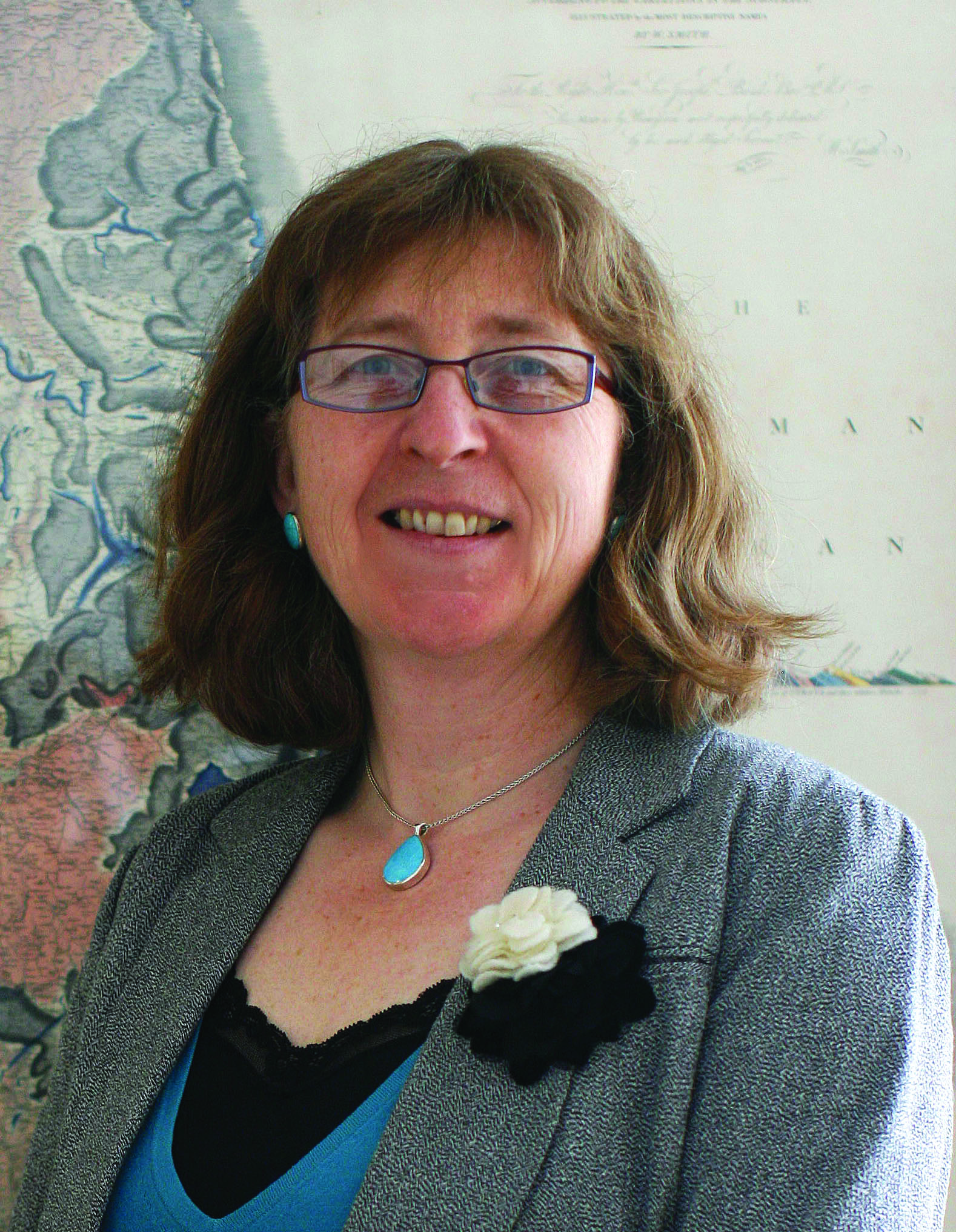
CAPTION: Ruth Allington, Chairperson of the IUGS Task Group on Global Geoscience Professionalism (TG-GGP), discussed the role of professionalism in the geosciences in her plenary presentation at the 35th International Geological Congress (IGC) that is taking place at the Cape Town International Convention Centre (CTICC) this week (from 29 August to 02 September 2016).
Extinction probably isn't at the forefront of everybody's mind right now, because most people are preoccupied with more immediate concerns; how will I afford to educate my child? Why can't I get a decent WiFi connection? Fortunately, geoscientists are the type of people with the imagination to dwell on imponderables that are seemingly remote from the consumer circus; this is precisely why they hold the key to the future of the planet. It does, however, require an injection of professionalism into the industry; an insight that arose in a keynote session at the 35th International Geological Congress (IGC), the “geoscience Olympics” currently running at the Cape Town International Convention Centre (CTICC).
The fact is that, as Wits University's Professor Bob Scholes told the audience, as the earth system processes have shaped the development of the human race, the development of the human race has shaped the development of global earth systems.
“Over three million years, human ancestors, African savannas and the global climate have co-developed, each influencing each other in powerful ways,” says Scholes. The use of fire, the domestication of livestock, the development of language and cognition, and the rise of complex agricultural societies: all these “key branching points in human development were linked to changes in earth system properties”, adds Scholes. Now we have reached the stage of “human dominance of the Earth System”; already, anthropogenic climate forcing has reached the point of no return, with global warming moving at an extraordinary pace. Clearly, it's time for geoscience to take a much more commanding role than it has in the past.
Ruth Allington, Chairperson of the IUGS Task Group on Global Geoscience Professionalism, pointed out in her presentation that geoscience serves society through undertaking research; advancing knowledge; applying geoscientific skills and technology to industrial problem solving; providing expertise, interpretations, and opinions on which others rely for key decision making; and communicating, teaching and training. It provides key inputs to:
- the support of economic and social development,
- the sustainable use of water, and
- the sustainable supply of raw materials.
It helps protect the public by evaluating the risk of natural hazards and the causes and effects of climate change. It holds the key to the triple bottom line of harmonising economic-, social- and environmental impacts of development.
This will not happen unless the geoscientific community embraces the professionalism that will enable it to communicate effectively with all stakeholders. “Seeing yourself as a professional does not dilute from scientific endeavour; it completes, enhances, makes more impact,” said Allington.
Better education, more relevant research, more sustainable industry: it's a virtuous circle that professionalism and ethics can set in motion. There is nothing to lose: “Developing soft skills – the effective management of people, project management, leadership, listening, mediating – doesn't reduce academics to automatons,” said Allington. “On the contrary, food without seasoning is bland and reduces eating to the mere taking on of fuel. Professionalism seasons what you already do well.”
Co-president of the IGC and one of the top global 100 women in mining, Jeannette McGill, agrees: “The geoscience industry realises how important professionalism is and this congress emphasised it. The bar is set and geoscience professionals are welcome to come and engage on how best to implement higher standards of ethics in our profession.”
Registrations are also still open. Visit http://www.35igc.org/Verso/60/Registration to sign up.
For more information about the IGC visit http://www.35igc.org/. Join the 35th IGC Facebook page at https://www.facebook.com/35thigc/.
